Why siding and paint fail first on the wet side of the house
Three walls look fine and one doesn't, and that's rarely a coincidence.
October 26, 2026 · 4 min read
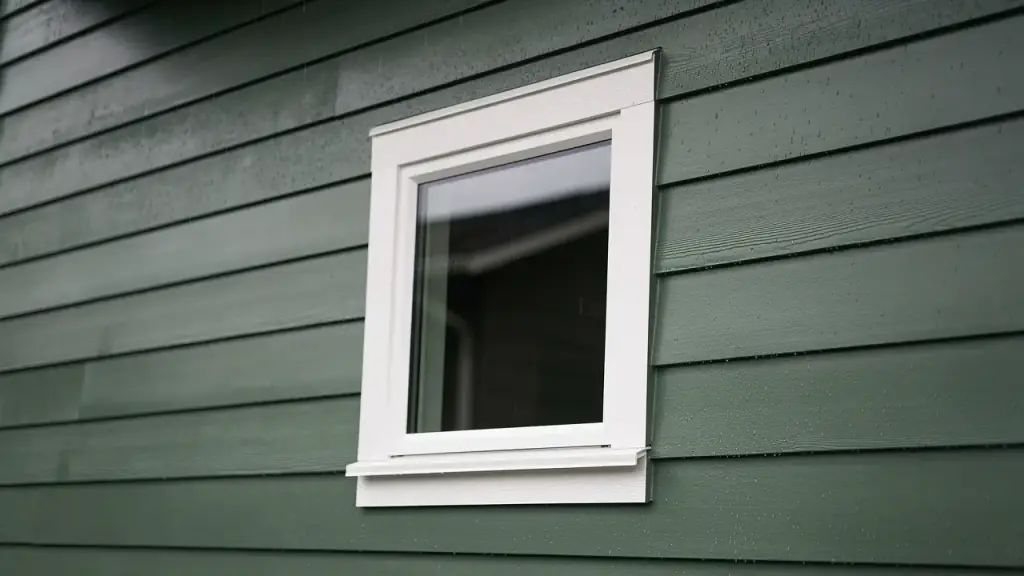
Walk around any house in the Skagit Valley and you'll usually find the same pattern. Three sides look fine, and one side has peeling paint, dark streaks, soft trim or a board that has started to curl. It's rarely random. It's the side that takes the weather, or the side that never dries out, and those aren't always the same side.
Knowing which wall is your weak one, and what early damage looks like, lets you fix a few feet of trim instead of a whole wall. Here's what to look for.
The side that gets the rain
In western Washington, the cooler months bring rain on southerly and westerly winds, so the south and west walls often take the most driven water. Rain doesn't just run down these walls. It gets pushed sideways into joints, behind the edges of boards, and under the lowest course of siding. Paint is a thin skin, and a skin that stays wet for months starts to blister and lift.
Check these walls first. Look at the lowest board, the corners, and anywhere a window or door frame meets the siding. Those are the places water finds its way in.
The side that never dries
The north side, and any wall under thick tree cover or close to a fence or hedge, may get less rain, but it also gets less sun and less wind. Moisture sits. That's where you'll see moss on the siding, dark mildew streaks, and a green film along the bottom edge. Wood that is damp and shaded most of the year is wood that rots. Fiber cement and vinyl shrug off moisture better than wood does, though they still collect dirt and growth in these spots.
Mild, wet winters are the key here. There's no hard freeze to clean things up. The damp just carries on from October through May, which gives moss and mildew plenty of time.
Where failure starts
Paint and siding almost never fail in the middle of a clean wall. They fail at edges and joints, where a tiny gap lets water in and a hidden surface holds it there. Learn these spots and you'll know where to look.
- The bottom edge of siding near the ground, where rain splashback keeps the wood wet
- Window sills and the trim under windows, where water sits on flat surfaces
- Corner boards and butt joints, where two pieces meet and the caulk has cracked
- Roof edges and the wall below a gutter, especially where a gutter overflows or leaks
- Nail and screw heads, where rust stains run down the paint
Caulk plays a big part. It dries, shrinks and cracks over a few seasons, and a hairline crack lets in more water than you'd expect. Caulk that has pulled away from a joint is a maintenance job, and an easy one when it's caught early.
Paint failure or wood failure?
Peeling paint is a cosmetic problem if the wood under it is sound. Lift a flake and look. If the wood underneath is dry, grey or bare but firm, the paint simply let go, and the fix is scraping, priming and repainting. If the wood is dark, soft or crumbly, the problem is moisture damage, and paint won't fix it.
Press a screwdriver tip into the bottom of the trim and the lower edge of the siding. Sound wood resists. Soft wood lets the tip sink in. Hairline cracks that run with the grain, and boards that have cupped or lifted at the edges, mean the wood has been soaked and dried again and again.
Dark streaks and green patches can usually be washed off. For exterior painting, the usual steps are pressure washing, caulking, priming and then paint that protects against moisture and UV. The order matters: wash, let it dry fully, repair, caulk, prime, then paint. Skipping the drying time is a common reason a new coat fails early.
What to do before it gets bad
Once a year, in late spring or early fall after a few dry days, walk the house with a screwdriver and a camera. Look at each of the places above, press the soft-looking ones, and photograph anything you're unsure about. Clear the gutters and downspouts so they don't spill onto the wall. Trim back shrubs so air can reach the siding, and keep a few inches of clearance between soil and the bottom board.
Catching one failing corner or a bad length of trim is a small repair. Waiting until the board behind it has gone soft turns it into a bigger one. When you contact the handyman, say which wall, describe what you see, and send photos. You get the estimate before work starts, and you can choose between spot repairs and repainting the whole wall.
If you've found a wall that worries you, call 360-813-6743 or send a request with photos.
The Mount Vernon Handyman, 360-813-6743
Call 360-813-6743More articles
Reading your deck after a Skagit winter
Twenty minutes, a dry afternoon and a screwdriver will tell you most of what your deck needs this spring.
How to write one handyman list that gets a real estimate
A single well-written request lets one visit cover a dozen small jobs and gives you one estimate you can actually compare.