How to write one handyman list that gets a real estimate
A single well-written request lets one visit cover a dozen small jobs and gives you one estimate you can actually compare.
October 26, 2026 · 4 min read
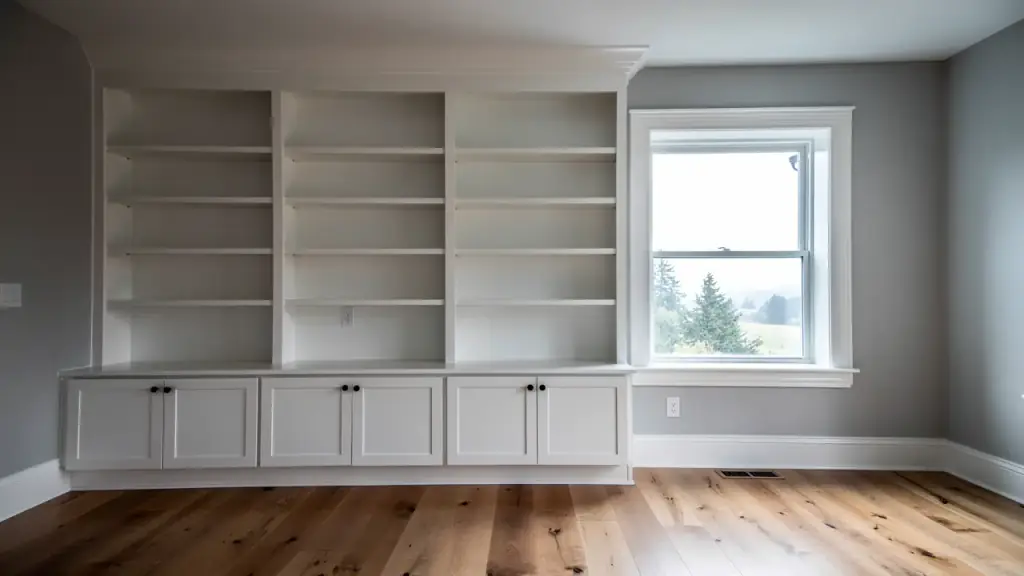
Most homes have a short list of small jobs that never gets done: the sticky door, the loose cabinet hinge, the bathroom fan cover, the trim that came off during a move. Each one is too small to feel worth a call by itself, so they sit for a year. Then one of them gets worse and everything gets rushed.
The fix is to stop treating them as separate calls. One well-written list, sent in a single request, lets the handyman plan one visit, bring the right tools and materials, and give you one estimate. Here's how to write that list so the estimate you get back is close to what the work really takes.
Walk the house with a notepad
Go room by room and write down everything, even the jobs that feel embarrassingly small. Don't edit yet. Open every door and drawer, flip every switch, run the water, and look up at ceilings and corners. Most people find the list doubles once they actually look. Then do the outside: gutters, siding, fence, deck, steps, and the gate that drags.
Write each item as what you see, not what you think the fix is. 'Back bedroom door rubs at the top corner' is more useful than 'plane the door'. You might be right about the fix, but the real cause could be a loose hinge or a swollen frame, and a description of the symptom leaves room for that.
Group by trade and by place
Once the list is written, sort it. Put carpentry together: doors, trim, shelves, cabinets. Put patching and painting together: nail holes, a stained ceiling corner, touch-ups after a repair. Put plumbing together, and outside work together. Sorting does two things. It shows you which jobs share materials and prep, and it shows the handyman where a single visit can cover several items.
Painting is the good example. If you're having drywall patched in two rooms, the paint touch-up for both is one trip, not two. Saying that in your list saves everyone time.
- Doors and trim: sticking doors, loose casing, missing baseboard
- Walls: small holes, cracks, patch and paint
- Hanging things: towel bars, curtain rods, shelves
- Kitchen and bath: caulk, cabinet hinges, drawer slides
- Outside: loose fence boards, a wobbly railing, a patch of rotten trim
Take photos and measure what you can
A photo does more than a paragraph. For each item, take one wide shot that shows where it is in the room and one close shot of the problem. If something is damaged, put a coin or a pencil in the frame to show scale. Send the photos with the list, labeled by item number so nothing gets mixed up.
Measurements help even when they're rough. For a shelf, give the wall length. For a fence repair, count the damaged boards or panels and estimate the length of the run. For trim, guess the number of feet. You don't need to be exact, since measurements get taken at your home anyway. A rough figure just keeps the first conversation from starting at zero.
Say who's supplying the materials
This is the line people forget. Materials can be supplied for you, or you can supply your own. Both work, but the estimate changes depending on which you choose, so say it up front. If you've already bought the hardware, the paint or the shelf, list it and mention that it's on site. If you want everything sourced for you, say that, and add any preferences: a paint color, a finish on the hardware, wood or composite.
If you have no preference, say that too. It tells the handyman it's fine to suggest what makes sense for the job, and it's a good moment to ask what they'd choose for a wet Pacific Northwest house.
Rank it, and flag anything urgent
Put a mark next to anything that's getting worse: a drip, a soft spot, a window that won't latch. Emergency repairs are prioritized, so if something is actively causing damage, say that plainly at the top of your request and call the number instead of only sending a form. Everything else can wait for the grouped visit.
Then sort the rest into two piles: needs doing this month, and happy to do when it fits. That gives the estimate some flexibility. If the total comes in higher than you planned, you can trim the second pile without redoing the whole quote.
What happens after you send it
The process is simple. You send a request, someone takes measurements at your home, you approve a budget, work starts, and it finishes on schedule. Because you've already written the list and sent photos, the measuring visit can focus on what photos can't show: what's behind a wall, whether the framing is square, how the old work was done.
Expect an estimate before any work begins, with the pricing laid out so there are no surprises. If a line looks unclear, ask what it covers. A good list makes that conversation short.
Ready to send yours? Call 360-813-6743 or send a request with the list and photos, and tell them which jobs can't wait.
The Mount Vernon Handyman, 360-813-6743
Call 360-813-6743More articles
Reading your deck after a Skagit winter
Twenty minutes, a dry afternoon and a screwdriver will tell you most of what your deck needs this spring.
Why siding and paint fail first on the wet side of the house
Three walls look fine and one doesn't, and that's rarely a coincidence.