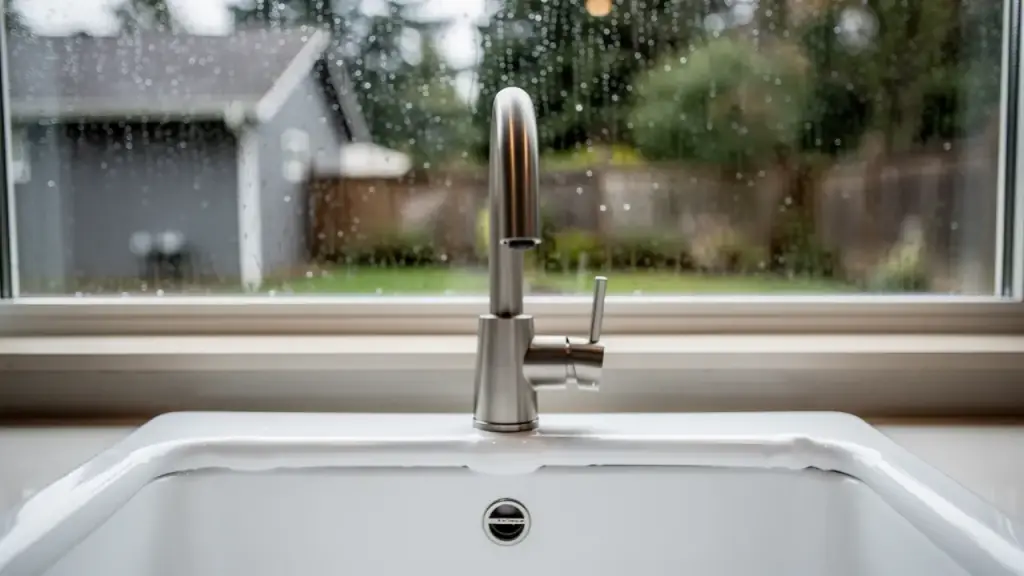
Where a drip, a flapper and a slow drain start
A drip at the spout is usually the cartridge or the washer inside the handle, not the whole faucet. A toilet that keeps running is often a worn flapper, and a slow drain is usually hair or buildup a few inches past the trap. These are the small repairs that turn into stained cabinet floors if they sit through a wet Mount Vernon winter.
Low pressure is worth describing carefully. If one tap is weak and the rest are fine, that points at the fixture or its supply line. If the whole house is weak, the problem is somewhere else, and saying so on the first call saves a trip.
Photo the shut-off, name the fixture
When you send a request, say which fixture it is and how long it has been doing it. A photo of the shut-off valve under the sink and the model plate on the fixture helps the handyman who comes out bring the right cartridge, flapper or supply line the first time.
The estimate comes before any parts are bought and before any work starts. You hear what the repair involves and what it will take, then you decide whether to go ahead. If you do not know what a fixture is called, a photo is fine. Call 360-813-6743 or send a request and describe what you are seeing.
When it needs a licensed plumber
Some jobs sit past a handyman repair. A water heater that needs replacing, or a sewer line that backs up more than one drain at a time, may need a licensed plumber. If that is the case you hear it at the estimate, plainly, before anything is booked, so you are not paying for a visit that cannot fix it.
After a repair, take a minute to find your shut-offs. The one under each sink, the one at the toilet and the main for the house should all turn by hand and be reachable. Clear the cabinet if you have to, and keep a towel and a bucket close for the next small drip.